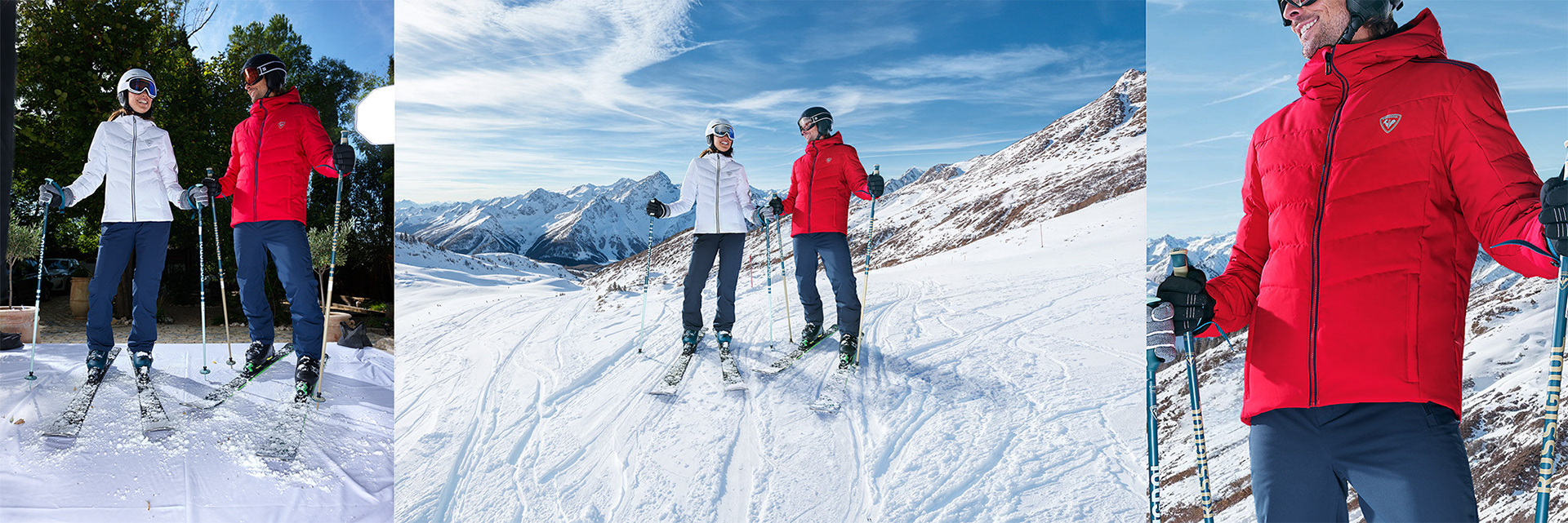
Sport 2000 client — 4x3 billboard — left: on-location photo shoot for scheduling reasons — center: AI-generated background with photo integration — right: integration detail
Bridging the Limits of AI
How to reintroduce reality into your AI-generated print campaigns.
Artificial Intelligence is transforming the creative industry. However, using an AI-generated visual for a print campaign quickly reveals a fundamental structural constraint.
By nature, a diffusion-based generative model does not capture reality — it reinterprets it. This process inevitably leads to limitations incompatible with brand standards: unpredictable material rendering, insufficient resolution, and unreliable lighting behavior. The goal is therefore to reintroduce reality through photography, where it truly matters. This is the principle behind my method.
01 - Plate Matching et Match-Lighting
This is where I apply a logic directly borrowed from VFX and compositing workflows.
This is where I apply a logic directly borrowed from VFX and compositing workflows.
Plate Matching : I reproduce the AI reference image as accurately as possible in the studio, aligning pose, perspective, focal length, and camera height. I use an overlay in my capture software to match the frame down to the millimeter.
Match-Lighting : I deconstruct the lighting in the AI image — analyzing its direction, hardness, shadows, specular highlights, and contrast ratios — then physically rebuild that lighting scheme on set.
Match-Lighting : I deconstruct the lighting in the AI image — analyzing its direction, hardness, shadows, specular highlights, and contrast ratios — then physically rebuild that lighting scheme on set.
This step is central to the process. It allows me to achieve not an approximate imitation, but a true correspondence between the generated image and the final photograph. The result is a 100-megapixel image that honors the aesthetic intent of the AI while preserving full photographic integrity.
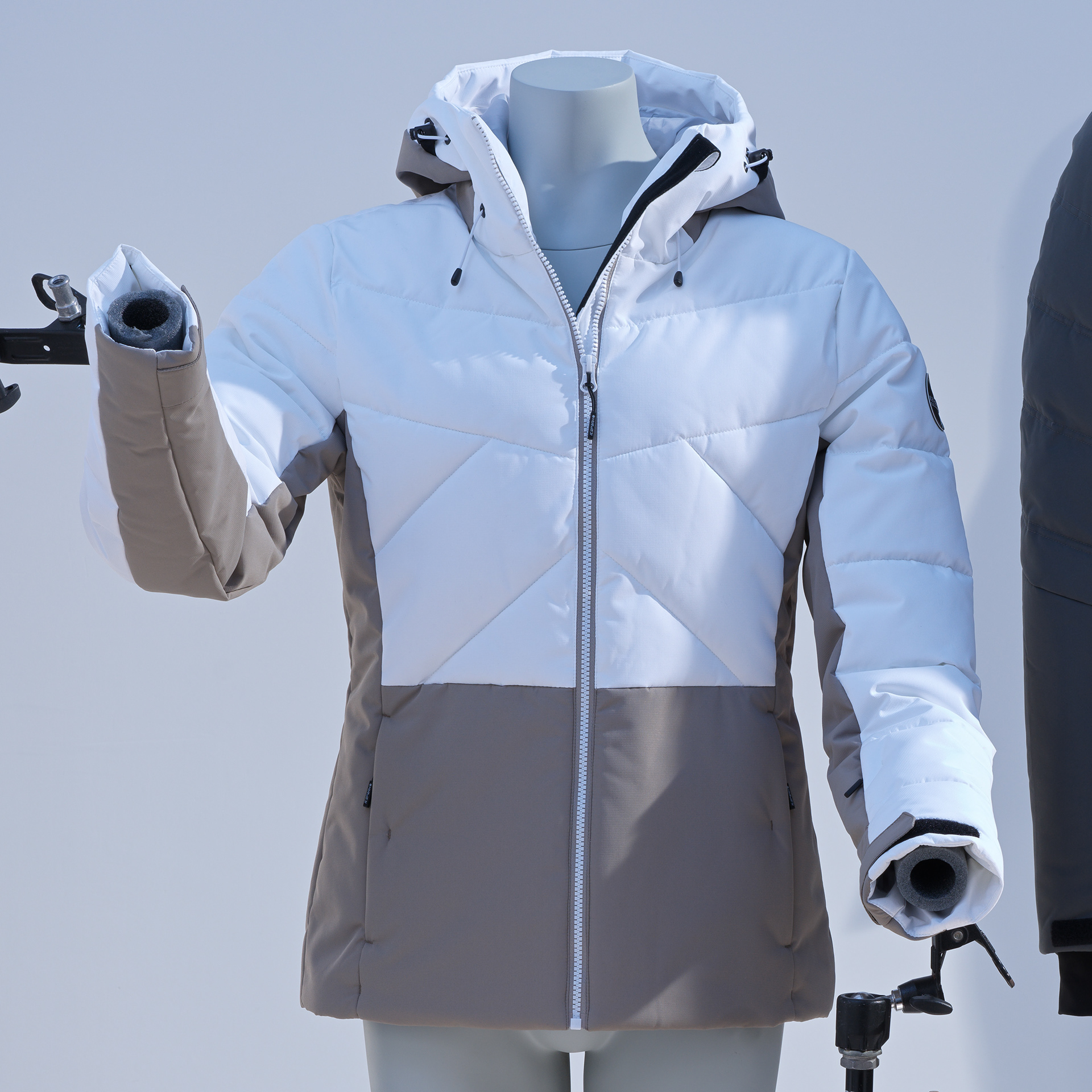
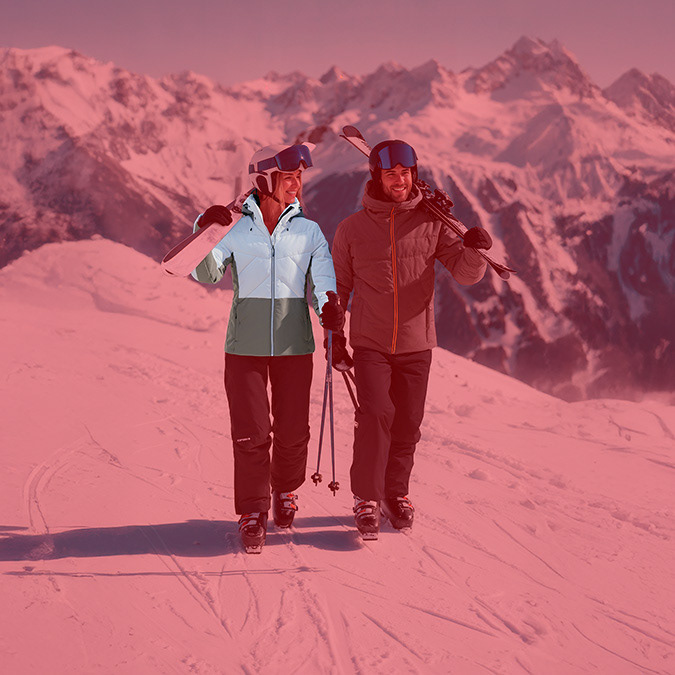
Base AI visual provided by the agency
02 - Reverse Compositing
My approach is built on a Reverse Compositing logic. Rather than photographing a subject first and then building an artificial world around it, I start from a visual universe already defined by AI, and integrate a real photograph — built specifically to match that reference — into it.
My approach is built on a Reverse Compositing logic. Rather than photographing a subject first and then building an artificial world around it, I start from a visual universe already defined by AI, and integrate a real photograph — built specifically to match that reference — into it.
AI drives the vision, but the making of the image remains grounded in a real shoot: genuine optics, physical light, actual fabric and skin texture, followed by a final reintegration in Photoshop with precise color, saturation, and density matching.
Why AI Packshot Integration Falls Short
The most common AI workflow today involves feeding a clipped packshot into an algorithm as a “reference.” This approach runs into three major dead ends.
01 - Double Interpretation (The product is never truly yours)
AI never simply “copies and pastes.” When it processes your product, it interprets and redraws it pixel by pixel — with a degree of hallucination (altered stitching, distorted logos). To compensate for the native resolution shortfall, these images then need to run through upscaling software. The product undergoes a second interpretation: the upscaler smooths textures, invents detail where there is none, and permanently destroys the original object’s visual truth.
AI never simply “copies and pastes.” When it processes your product, it interprets and redraws it pixel by pixel — with a degree of hallucination (altered stitching, distorted logos). To compensate for the native resolution shortfall, these images then need to run through upscaling software. The product undergoes a second interpretation: the upscaler smooths textures, invents detail where there is none, and permanently destroys the original object’s visual truth.
02 - The Flat Lighting Trap
AI has no physical understanding of materials. When given a packshot shot under basic, flat lighting, it has no information to determine whether a product is matte, glossy, textured, or metallic. If the original lighting fails to sculpt the product’s relief and highlight its surface properties, AI has no way to convincingly reinvent them in a new environment. A poorly lit object will remain underrepresented, regardless of how beautiful the generated background may be.
AI has no physical understanding of materials. When given a packshot shot under basic, flat lighting, it has no information to determine whether a product is matte, glossy, textured, or metallic. If the original lighting fails to sculpt the product’s relief and highlight its surface properties, AI has no way to convincingly reinvent them in a new environment. A poorly lit object will remain underrepresented, regardless of how beautiful the generated background may be.
03 - The Resolution Glass Ceiling
Even in the best-case scenario, a native AI-generated image rarely exceeds 4K resolution. That is simply not enough to meet the demands of print campaigns or large-format outdoor advertising. Without a high-definition source file — such as one delivered by a 100-megapixel sensor — there is no room to crop, reframe, or adapt the image across the various formats required by a full media plan.
Even in the best-case scenario, a native AI-generated image rarely exceeds 4K resolution. That is simply not enough to meet the demands of print campaigns or large-format outdoor advertising. Without a high-definition source file — such as one delivered by a 100-megapixel sensor — there is no room to crop, reframe, or adapt the image across the various formats required by a full media plan.
Which Integration Method Should You Choose for Wearables?
If your AI visual involves human figures, I offer three levels of intervention depending on your campaign’s constraints.
01 - Full Integration (100% real subject in an AI environment)
The method : A real model is shot in the studio with a lighting plan calibrated to match the AI-generated background’s ambiance.
The advantages : Human authenticity is preserved, and any controversy around deepfake-style synthetic faces is avoided. This method also offers a wider variety of natural, organic poses in the edit.
The method : A real model is shot in the studio with a lighting plan calibrated to match the AI-generated background’s ambiance.
The advantages : Human authenticity is preserved, and any controversy around deepfake-style synthetic faces is avoided. This method also offers a wider variety of natural, organic poses in the edit.
02 - Partial Integration (Real body, AI face)
The method : The product is worn by a real model in the studio. In post-production, only the clothing and body are integrated; the AI-generated face and hands are retained.
The advantages : Primarily a budget-driven choice. You get the genuine drape and fit of the garment on a real human body, while saving on hair, makeup, and model image rights costs.
The method : The product is worn by a real model in the studio. In post-production, only the clothing and body are integrated; the AI-generated face and hands are retained.
The advantages : Primarily a budget-driven choice. You get the genuine drape and fit of the garment on a real human body, while saving on hair, makeup, and model image rights costs.
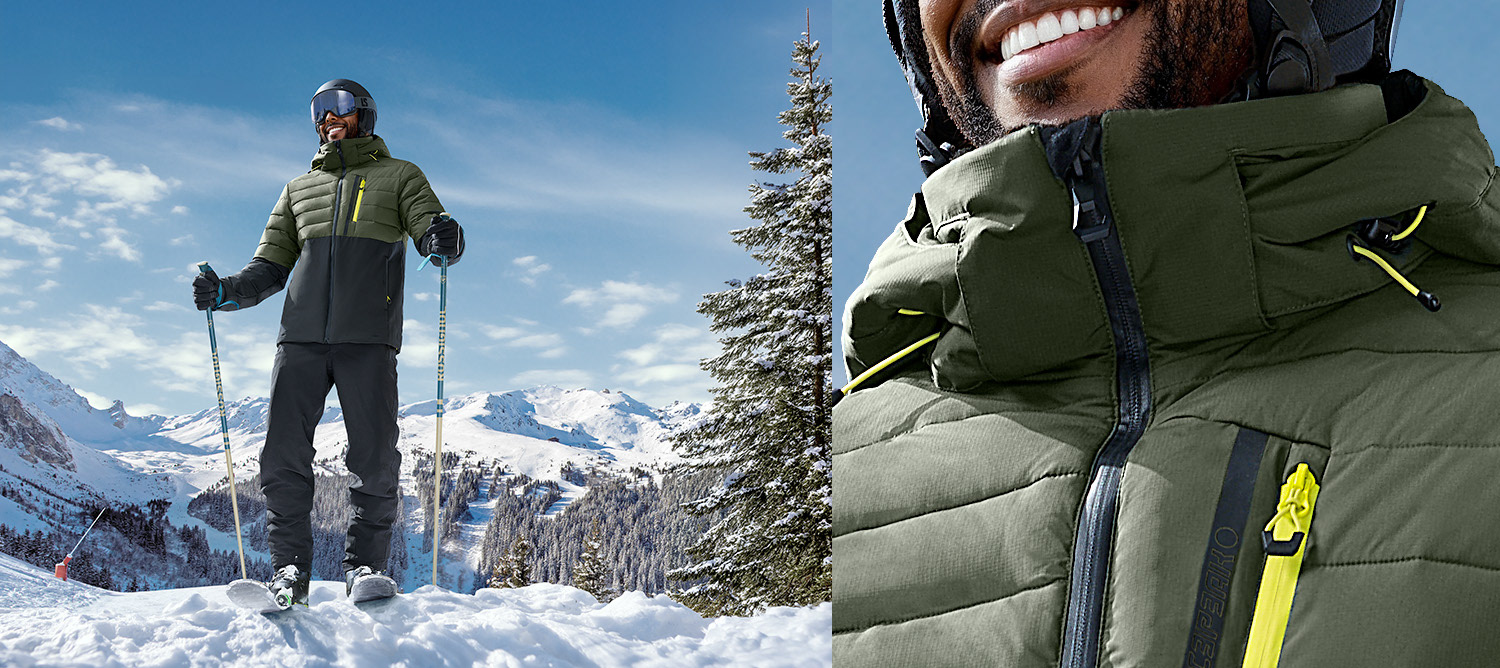
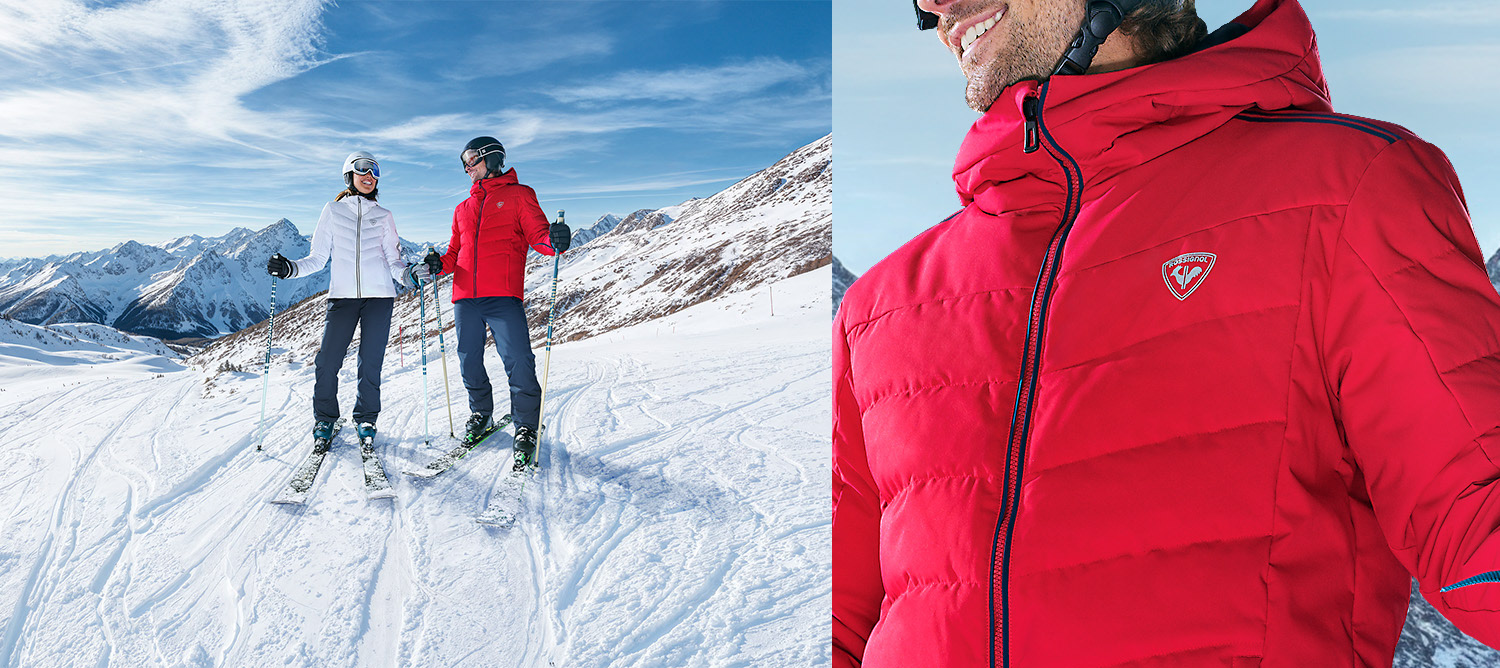
03 - Pure Product Integration (Ghost / Invisible Mannequin Shoot)
The method : The AI visual is fully approved by the client upfront. In the studio, I shoot the garment alone on a ghost mannequin, perfectly matched to the AI reference in terms of perspective and lighting.
The advantages : The creative process is locked in. The remaining challenge is purely technical: ensuring the product integrates seamlessly onto the virtual figure, with the guarantee of optimal product resolution.
The method : The AI visual is fully approved by the client upfront. In the studio, I shoot the garment alone on a ghost mannequin, perfectly matched to the AI reference in terms of perspective and lighting.
The advantages : The creative process is locked in. The remaining challenge is purely technical: ensuring the product integrates seamlessly onto the virtual figure, with the guarantee of optimal product resolution.
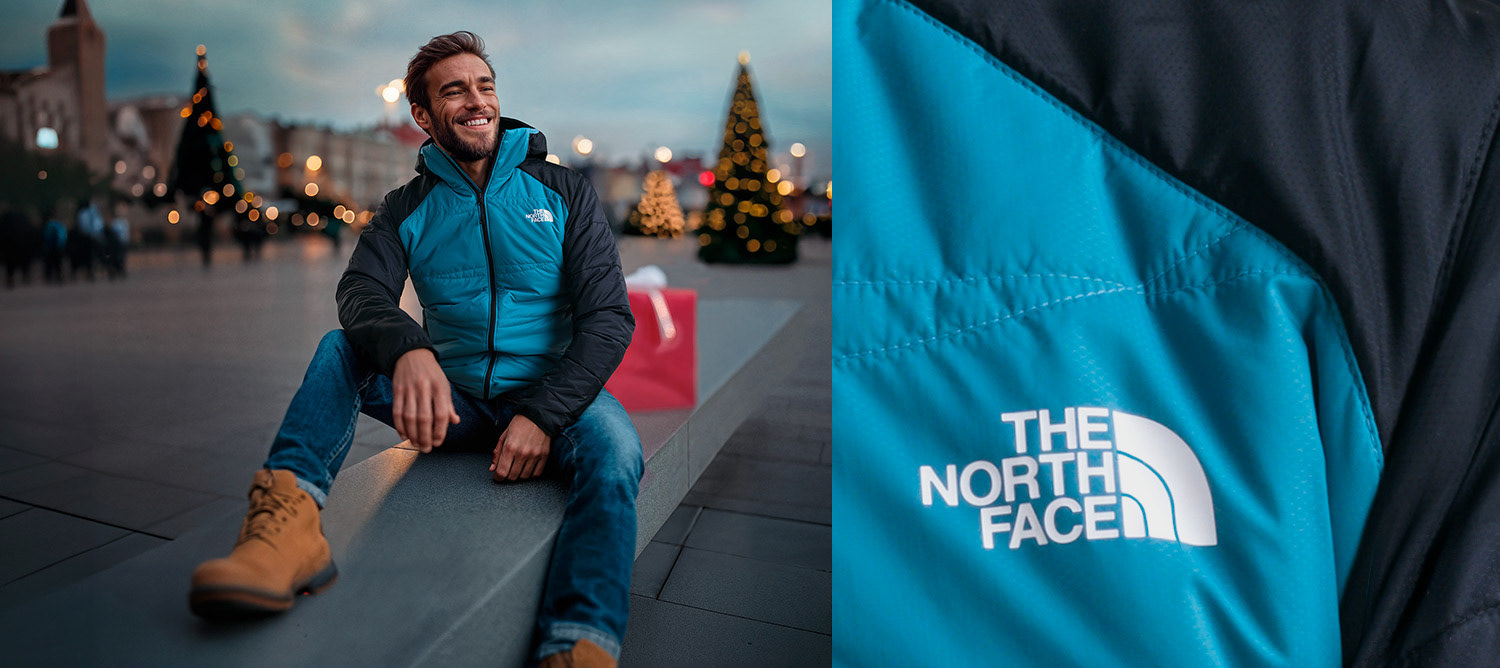
Base AI visual provided by the agency
In summary, what I offer falls under VFX Compositing. It is a demanding, technical, and craft-driven method — but also the one that makes it possible to transform an AI intent into a print-ready final image, preserving everything AI cannot yet produce on its own: fidelity, material truth, real light, and ultra-high definition.